PlantNet Plant Identification
- 2.30K
- 4.4
- Installs
- 570.00M
- Version
- Varies with device

Screenshots

Pros
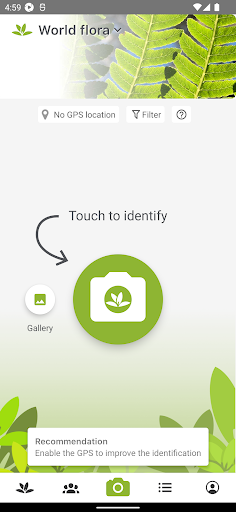
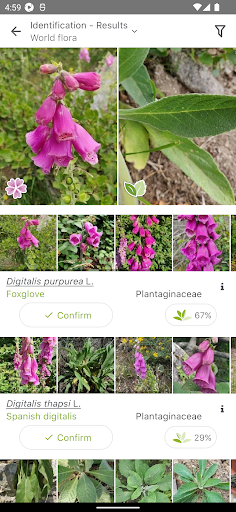
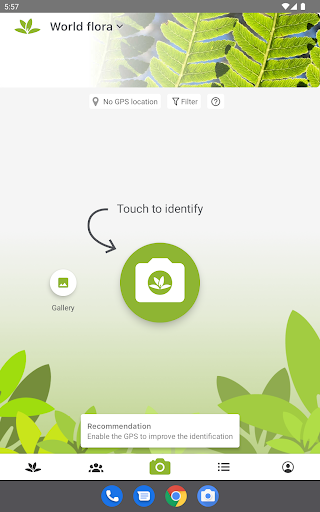
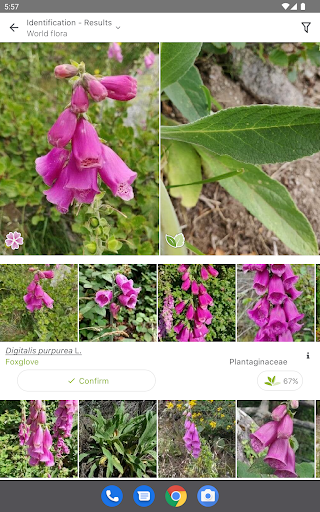
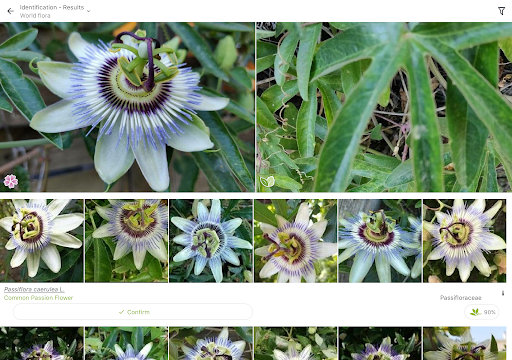
PlantNet delivers fast, photo-based plant identification powered by a large, curated database and machine-learning models. Point your camera at a leaf, flower, or fruit and receive likely matches with confidence scores. This rapid, reliable identification helps gardeners, students, and naturalists quickly recognize species in the field and in research.
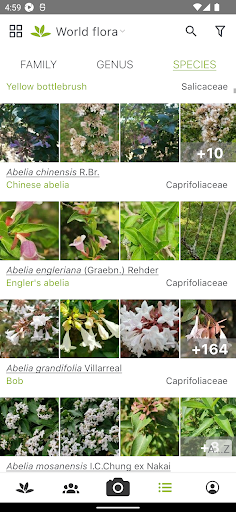
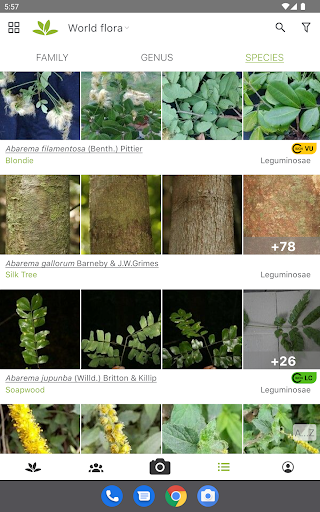
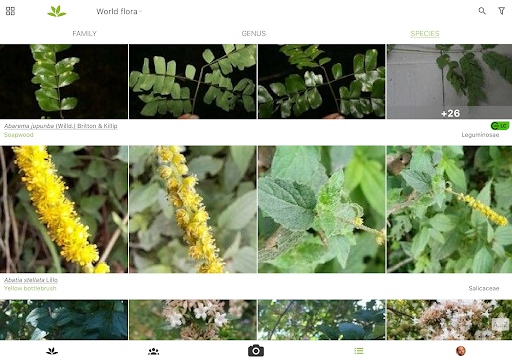
The app provides detailed species information, high-resolution images, distribution maps, and habitat notes, making it a practical learning tool. Curated content and easy-to-read descriptions support education for amateur botanists, teachers, and conservationists, helping users deepen knowledge of plant morphology, ecology, identification skills, and seasonal changes.
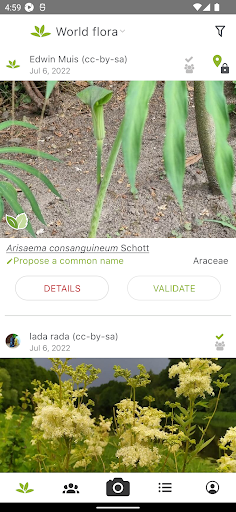
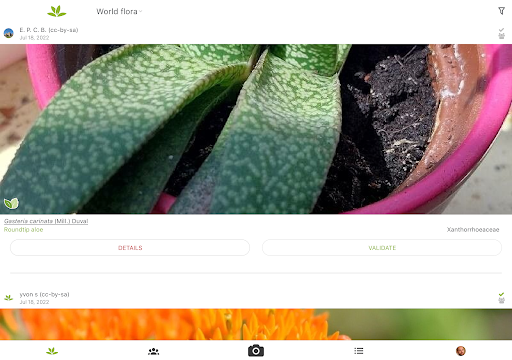
PlantNet is rooted in citizen science: users share observations that feed a growing biodiversity database, improving identification algorithms and supporting research. Free on iOS and Android, the app offers multilingual support and straightforward sharing, letting users contribute to conservation efforts while maintaining control over their data.
Cons
Identification accuracy can be inconsistent, especially for closely related species. The app often confuses look-alikes and relies on multiple clear, correctly framed photos and community validation, so misidentifications occur. Users should not rely on PlantNet as a definitive diagnosis, particularly for toxic or protected plants.
Performance depends heavily on image quality and the pictured plant part. Distant shots, poor lighting, damaged specimens, or missing flowers/leaves frequently prevent accurate results. The app struggles with seedlings, seasonal changes, or generic greenery, making identification unreliable unless users supply close-up, well-lit photos of diagnostic features.
Some advanced features and the best matching results require an internet connection and rely on a crowdsourced database, raising privacy and data-ownership concerns when photos are uploaded. Coverage is uneven: underrepresented regions and rare species may produce weak matches, limiting usefulness for professional botanists or users in less-documented areas.


